How profitable is construction?
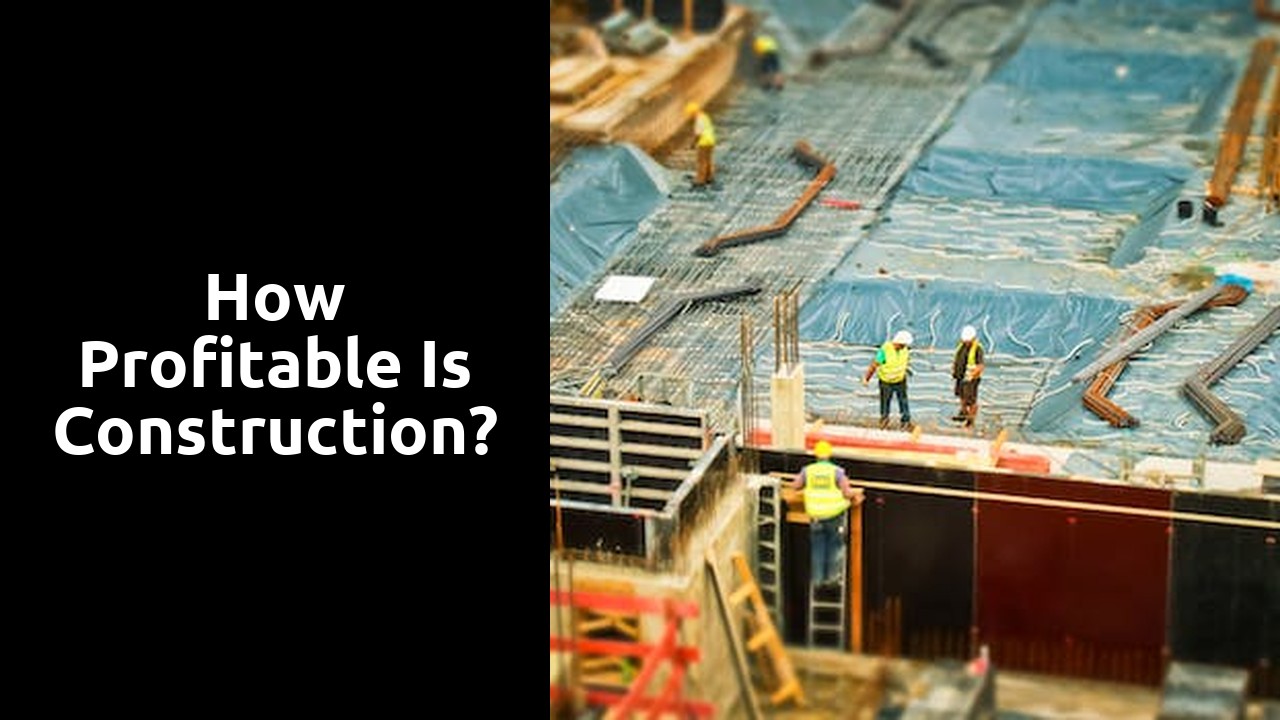
The Financial Gains of the Construction Industry
The construction industry is renowned for its financial gains and lucrative opportunities. With millions of construction projects taking place around the world each year, this sector continues to drive economic growth and create wealth. Construction companies and businesses involved in this industry are well-positioned to generate substantial profits and financial returns.
One key factor behind the financial gains of the construction industry is the high demand for infrastructure development. As countries strive to modernize their cities, towns, and transportation networks, the need for construction projects such as roads, bridges, buildings, and airports remains constant. This sustained demand ensures a steady flow of projects and business opportunities for construction companies, enabling them to secure contracts and generate significant revenues. Additionally, the construction industry also benefits from the ongoing maintenance and renovation work required to keep existing infrastructure in good condition, further increasing its financial gains.
Unveiling the Economic Potential of Construction
The construction industry has long been recognized as a major economic contributor, driving growth and prosperity in both local and national economies. With each construction project, there is a significant injection of capital into the economy, benefiting various sectors along the supply chain. From the procurement of raw materials and equipment to the hiring of skilled workers, construction projects generate a ripple effect of economic activity. This vibrant sector not only boosts employment rates but also stimulates consumption and investment, leading to an overall increase in economic output.
One of the key factors that make construction a lucrative industry is its ability to generate a steady stream of revenue over an extended period. Construction projects often span several months or even years, providing a sustained income for the businesses involved. This consistent cash flow allows construction companies to plan and invest in other projects, further driving economic growth. Additionally, the construction industry has a multiplier effect on the economy, creating secondary employment opportunities in sectors like retail, finance, and hospitality. This intricate network of interdependencies contributes to the overall economic potential of the construction industry, making it a vital player in stimulating economic activity.
Understanding the Monetary Value of Construction Projects
Understanding the monetary value of construction projects is crucial for stakeholders in the industry. Construction projects encompass a wide range of activities, from residential housing developments to large-scale infrastructure undertakings. These projects not only create opportunities for job creation and economic growth but also have the potential to generate significant financial gains.
The financial benefits of construction projects are evident at various stages of the project lifecycle. Initially, there is a surge in investment as developers and investors fund the project. This injection of capital into the construction sector stimulates economic activity, as businesses secure contracts for supplies and services. As construction progresses, employment opportunities are created, further boosting local economies. Moreover, completed projects contribute to the overall value of real estate and infrastructure, driving economic growth and increasing the wealth of stakeholders involved. Understanding the monetary value of construction projects allows for strategic decision-making, ensuring maximum returns on investment and sustainable economic development.
Exploring the Lucrative Nature of the Construction Sector
The construction industry is often regarded as one of the most lucrative sectors in the economy. With its immense potential for financial gains, it has become an attractive choice for investors and entrepreneurs alike. The demand for construction projects continuously grows, fueled by population growth, urbanization, and infrastructure development.
One of the key reasons why the construction sector is lucrative is the constant need for new buildings and infrastructure. As cities expand and populations increase, there is a need for more residential homes, commercial buildings, schools, hospitals, and transportation systems. This creates a consistent flow of projects, ensuring a steady stream of work for construction companies. Additionally, renovation and remodeling projects also contribute to the sector's profitability, as homeowners and businesses seek to improve and update their properties.
Analyzing the Bottom Line of Construction Businesses
Analyzing the bottom line of construction businesses is crucial for understanding their financial performance and overall success. As with any industry, construction companies aim to achieve positive financial outcomes, such as increased revenue and profitability. By assessing the bottom line, which refers to the net income or profit generated after deducting all expenses, stakeholders can determine the overall financial health and viability of these businesses.
One key factor to consider when analyzing the bottom line of construction businesses is the cost of labor. Labor expenses typically account for a significant portion of the overall project costs. Therefore, it is vital for construction companies to effectively manage labor costs by optimizing workforce utilization, ensuring productivity, and minimizing overtime. By carefully controlling labor expenses, construction businesses can maximize their bottom line and ultimately enhance their financial performance. Additionally, analyzing other cost factors such as materials, equipment, and subcontracting expenses can provide further insights into the financial aspects of construction businesses.
The Economic Impact of Construction on Local and National Levels
The construction industry plays a pivotal role in driving economic growth at both the local and national levels. The impact of construction extends far beyond the creation of physical structures; it generates employment opportunities, stimulates demand for various goods and services, and attracts investments. Locally, construction projects create a ripple effect on the economy by generating income for workers and businesses involved in the sector. This, in turn, leads to increased consumer spending, tax revenues, and overall economic activity. Nationally, the construction industry contributes to the gross domestic product (GDP) and plays a vital role in infrastructure development, urbanization, and regional connectivity. The economic impact of construction is thus multifaceted, creating a positive cycle of growth and development for both local communities and the country as a whole.
FAQS
Is the construction industry profitable?
Yes, the construction industry can be highly profitable for businesses involved in various construction projects.
What are the financial gains of the construction industry?
The construction industry offers the potential for significant financial gains through successful project completion, increased property values, and continuous demand for new infrastructure.
How does construction contribute to the economy?
Construction plays a crucial role in the economy by creating jobs, stimulating economic activity, and attracting investments. It also generates revenue through taxes and contributes to the GDP of both local and national levels.
What is the monetary value of construction projects?
Construction projects have varying monetary values, depending on the scale and complexity. They can range from small residential renovations to large-scale commercial developments, with potential profits proportionate to the size and scope of the project.
Can construction businesses be lucrative?
Yes, construction businesses have the potential to be highly lucrative. However, success depends on factors such as effective project management, cost control, strategic planning, and the ability to secure profitable contracts.
How does construction impact the local and national economy?
Construction has a significant economic impact at both local and national levels. It creates employment opportunities, stimulates related industries, enhances infrastructure, contributes to tax revenue, and boosts economic growth.
Are there risks involved in the construction industry?
Yes, like any business sector, the construction industry has inherent risks. Economic fluctuations, regulatory changes, labor shortages, supply chain disruptions, and unexpected project delays can impact profitability and pose risks to construction businesses.
How can construction businesses improve profitability?
Construction businesses can improve profitability by adopting efficient project management practices, optimizing resource allocation, negotiating favorable contracts, investing in technology and automation, and staying updated with industry trends and innovations.
Are there any specific challenges faced by the construction industry to maintain profitability?
The construction industry faces challenges such as rising material costs, labor shortages, changing regulations, and intense competition. Overcoming these challenges requires strategic planning, adaptability, and proactive management to maintain profitability.
Is the construction industry a stable and reliable source of income?
While the construction industry can be highly profitable, it also experiences cyclical fluctuations. Economic conditions and market demand can impact the stability and reliability of income in the construction sector.
Related Links
Is construction a good way to make money?Is construction a good business to start?